.jpeg)

MNRF Therapy: What It Is, Benefits, and Who Can Benefit
Healthy, glowing skin is something many people strive for, but concerns like acne scars, enlarged pores, wrinkles, and uneven skin texture can affect confidence. Modern dermatology offers advanced treatments that improve skin quality with minimal downtime, and one of the most effective options is Microneedling Radiofrequency (MNRF).
This article explains what MNRF therapy is, how it works, its benefits, and what you can expect before and after treatment.
What Is MNRF?
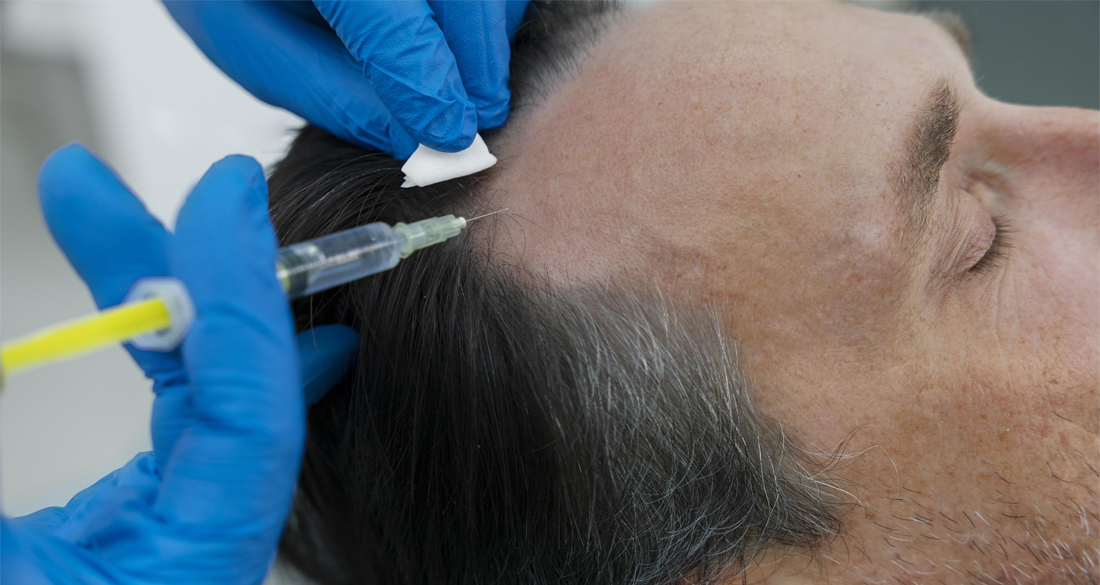
Microneedling Radiofrequency (MNRF) combines two proven technologies:
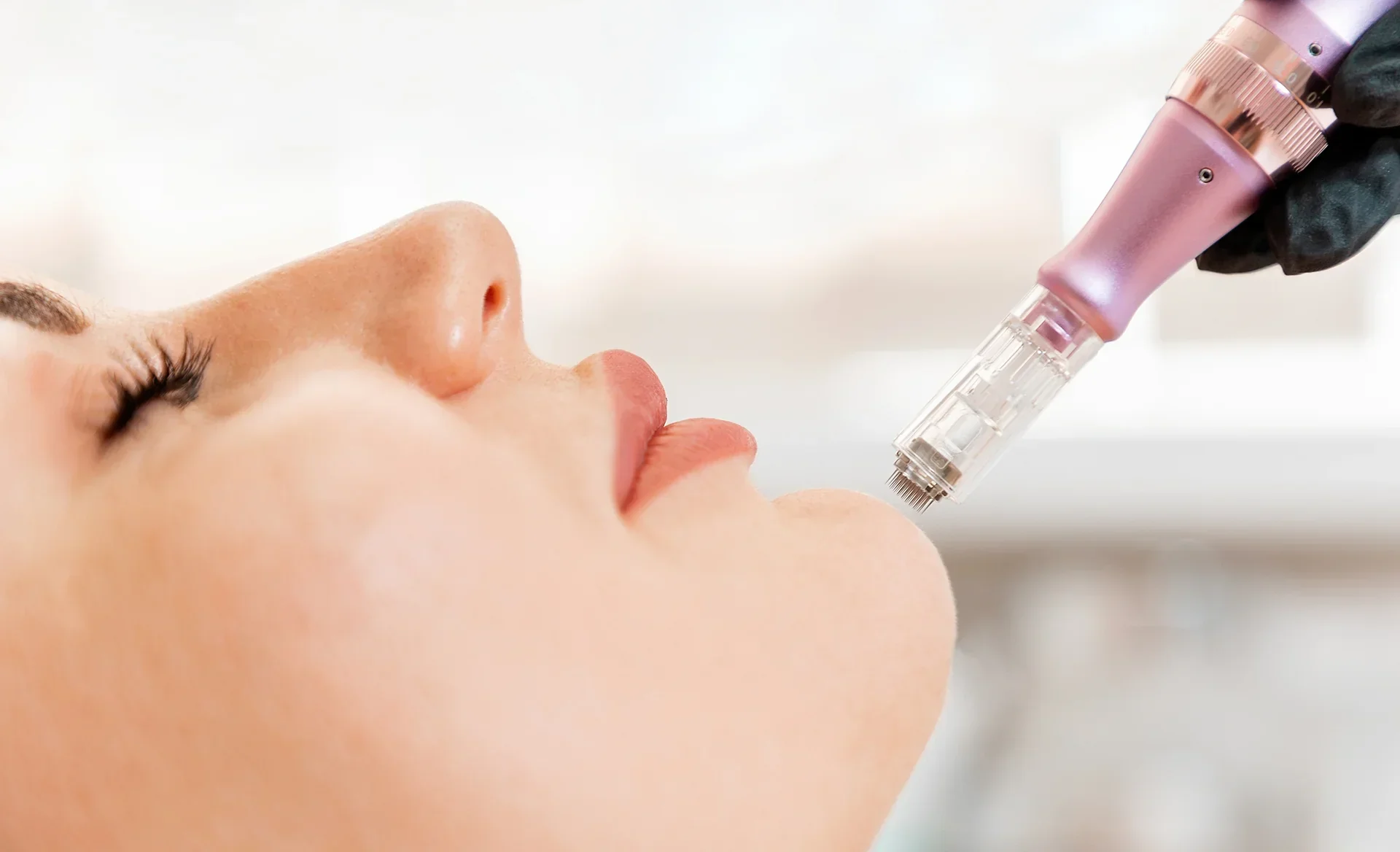
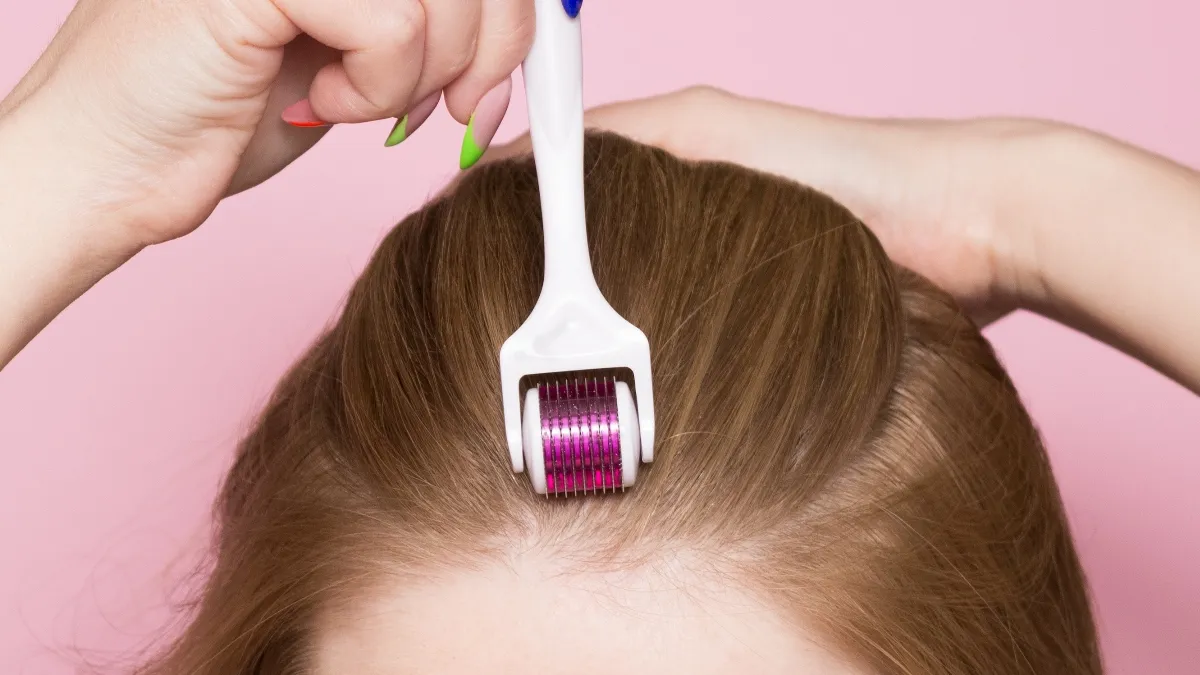
Microneedling: Tiny, sterile needles create controlled micro-channels in the skin, triggering the body's natural healing process.
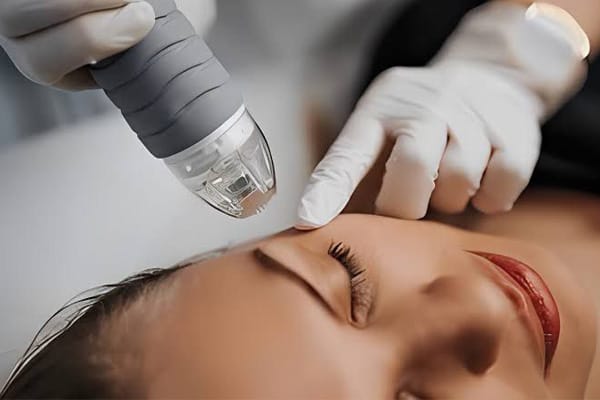
Radiofrequency (RF) Energy: Heat energy is delivered deep into the skin through the needles, stimulating collagen and elastin production.
The combination helps improve skin quality from within while minimizing damage to the skin surface.
What Skin Concerns Can MNRF Treat?
MNRF is commonly recommended for:
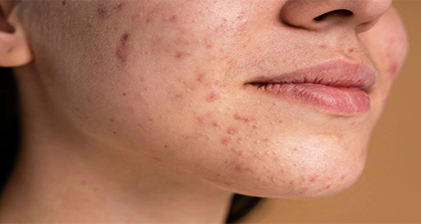
Acne scars
Enlarged pores
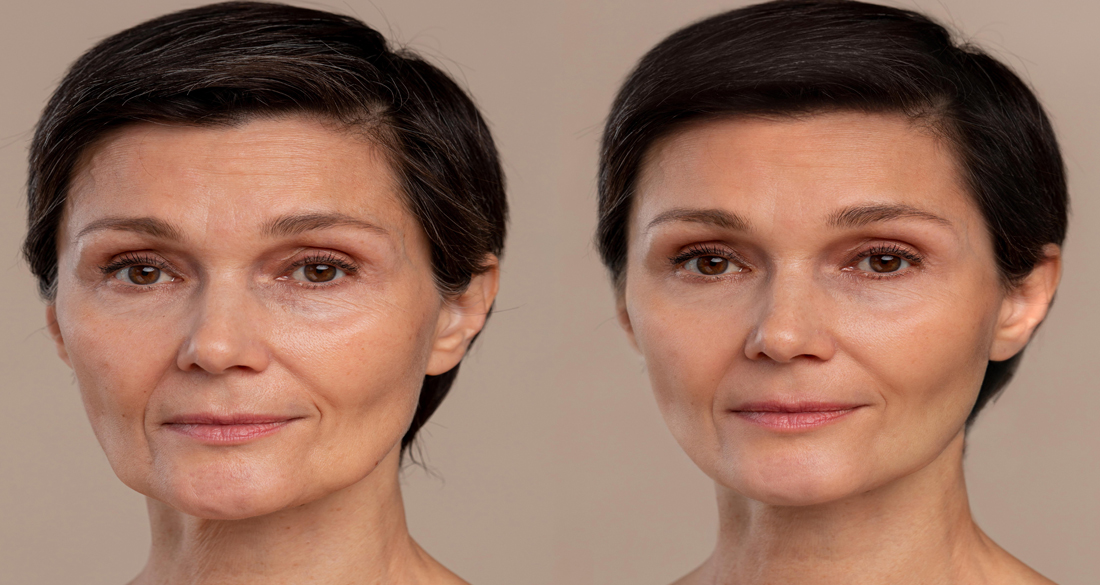
Fine lines and wrinkles
Loose or mildly sagging skin
Uneven skin texture
Stretch marks
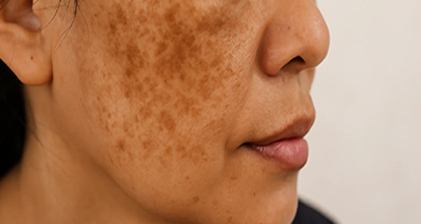
Pigmentation caused by acne (in selected cases)
Oily skin with enlarged sebaceous glands
Your dermatologist will evaluate whether MNRF is the right treatment for your skin condition.
Benefits of MNRF Treatment
Stimulates Natural Collagen
Collagen is essential for firm, youthful-looking skin. MNRF encourages the skin to produce new collagen naturally, leading to gradual andBy tightening the deeper layers of the skin, MNRF helps soften fine lines and improve overall skin long-lasting improvement.
Improves Acne Scars
One of the most popular uses of MNRF is treating acne scars. Over multiple sessions, scars often become smoother and less noticeable.
Reduces Fine Lines
By tightening the deeper layers of the skin, MNRF helps soften fine lines and improve overall skin firmness.
Safe for Most Skin Types
Unlike some laser treatments, MNRF is generally suitable for darker skin tones when performed by a qualified dermatologist, with a lower risk of pigmentation changes.
Minimal Downtime
Most people experience mild redness and slight swelling for one to three days before returning to normal activities.
What Happens During the Procedure?
A typical MNRF session involves:
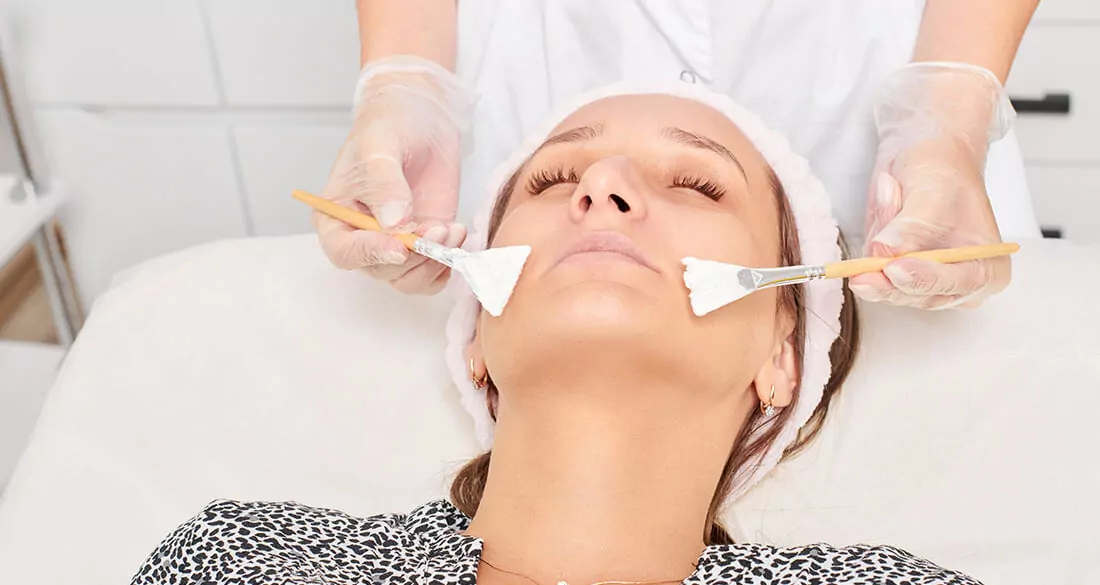
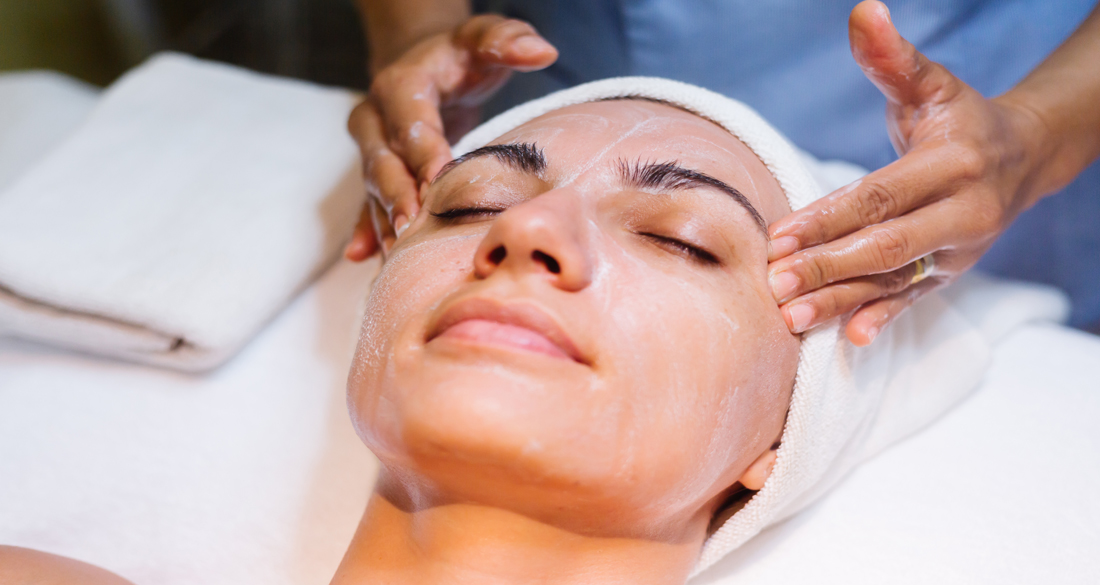
Cleansing the treatment area.
Applying a topical numbing cream for comfort.
Performing the MNRF treatment using a specialized device.
Applying soothing creams and sunscreen after the procedure.
The treatment usually takes 30–60 minutes, depending on the area being treated.
Is MNRF Painful?
Most patients tolerate MNRF well because a numbing cream is applied before treatment. You may feel mild pressure or warmth during the procedure.
How Many Sessions Are Needed?
The number of sessions varies depending on your skin concern.
Generally:
Acne scars: 4–6 sessions
Skin rejuvenation: 3–4 sessions
Skin tightening: 3–6 sessions
Sessions are usually scheduled 4–6 weeks apart to allow proper collagen remodeling.
Aftercare Tips
Following your dermatologist's advice is important for the best results.
You should:
Apply sunscreen daily.
Use gentle skincare products.
Avoid direct sun exposure for several days.
Avoid harsh exfoliants until the skin has healed.
Keep your skin well moisturized.
When Will Results Be Visible?
Some patients notice smoother skin within a few weeks. However, collagen production continues over several months, so improvements become more noticeable after each session.
Who Should Avoid MNRF?
MNRF may not be suitable if you:
Have an active skin infection.
Have uncontrolled diabetes or certain healing disorders.
Are pregnant (depending on medical advice).
Have certain implanted electronic medical devices.
Are taking medications that affect wound healing.
A consultation with a dermatologist is essential before treatment.
Frequently Asked Questions
Can MNRF remove acne scars completely?
MNRF significantly improves many acne scars, but complete removal is not always possible. Results depend on the type and severity of the scars.
Can I wear makeup after treatment?
Most dermatologists recommend waiting 24–48 hours before applying makeup.
Is MNRF better than traditional microneedling?
MNRF combines microneedling with radiofrequency energy, allowing treatment to reach deeper layers of the skin and often providing greater improvement for acne scars, skin tightening, and medical procedure that should be performed by trained professionals using approved equipment most effective treatment plan begins with a thorough medical evaluation and realistic expectations. Schedule collagen stimulation.
Are the results permanent?
The collagen produced is long-lasting, but the natural aging process continues. Maintenance treatments may be recommended depending on your goals.
Why Choosing an Experienced Dermatologist Matters
MNRF is a medical procedure that should be performed by trained professionals using approved equipment. Proper patient assessment, treatment planning, and aftercare are essential for achieving safe, effective results.
Book a Skin Assessment
If you're concerned about acne scars, uneven skin texture, enlarged pores, or early signs of aging, a personalized dermatology consultation can help determine whether MNRF is the right option for your skin.
Every patient's skin is unique, and the most effective treatment plan begins with a thorough medical evaluation and realistic expectations. Schedule a consultation to receive expert guidance tailored to your skin's needs.