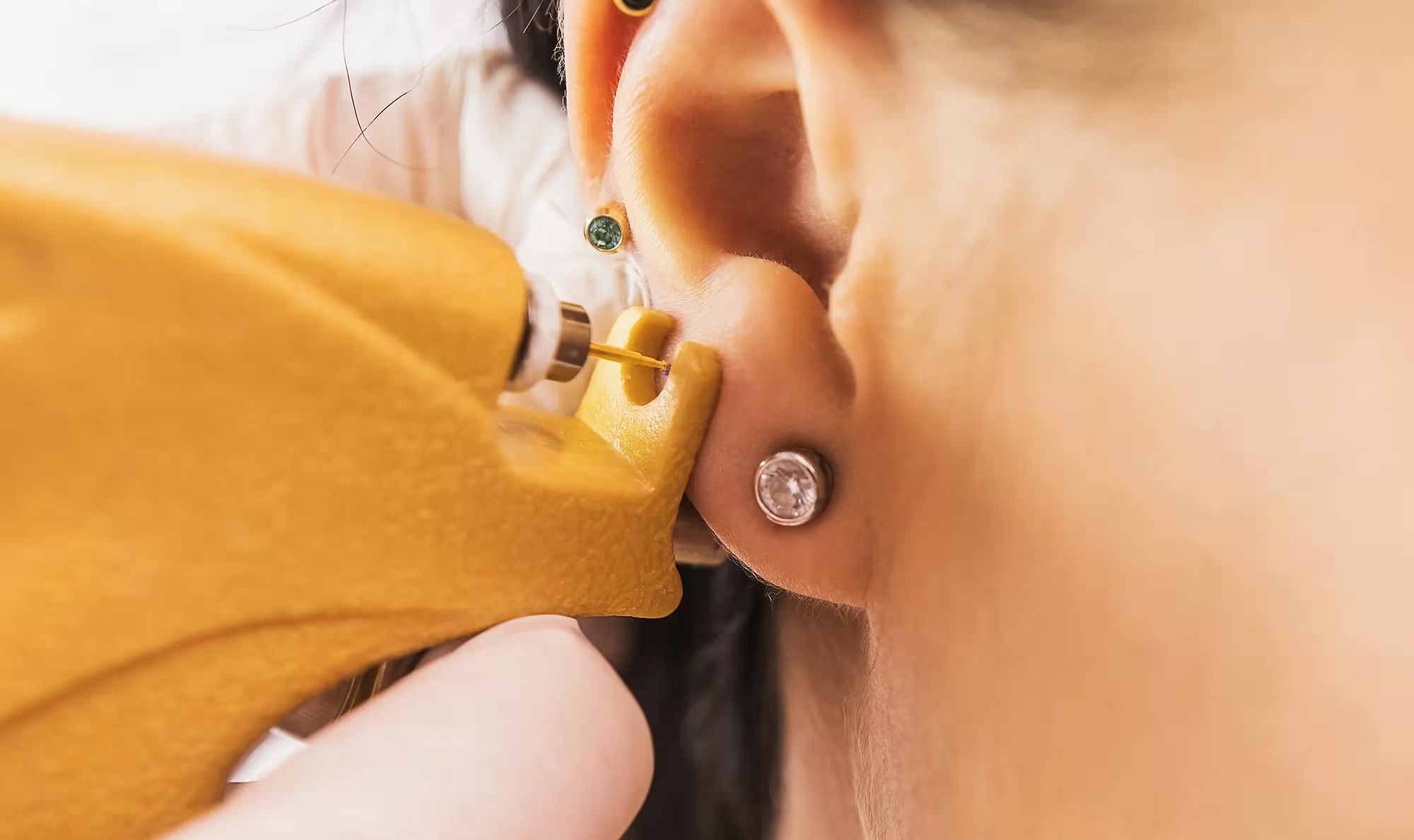
Benefits of Medical Ear Piercing: Why a Clinical Approach Matters
Ear piercing is one of the world’s oldest forms of body modification, blending culture, aesthetics, and personal expression. But while ear piercing is often viewed as a simple cosmetic procedure, the method and environment in which it is performed can significantly influence healing, safety, and long-term outcomes.
In recent years, medical ear piercing has become increasingly popular among parents, adults, and healthcare-conscious individuals. Unlike conventional piercing done in malls or jewelry stores, medical ear piercing is performed in a clinical setting using sterile techniques, medical-grade equipment, and professional supervision.
This article explores the scientifically supported benefits of medical ear piercing, how it differs from traditional piercing, and why many healthcare professionals recommend it—especially for children and first-time piercings.
What Is Medical Ear Piercing?
Medical ear piercing refers to ear piercing performed in a healthcare environment—such as a dermatology clinic, pediatric clinic, cosmetic medical center, or medical spa—using sterile procedures and medical-grade materials.
The process is usually carried out by:
Unlike standard retail piercing methods, medical ear piercing prioritizes:
Why Medical Ear Piercing Is Safer
1. Reduced Risk of Infection
One of the biggest advantages of medical ear piercing is the lower risk of infection.
A fresh piercing is essentially an open wound. If bacteria enter the area during or after the procedure, it can lead to redness, swelling, discharge, pain, and, in severe cases, abscess formation. (Cleveland Clinic)
Medical clinics minimize this risk through:
Healthcare providers are also trained to identify early signs of infection and provide immediate treatment recommendations if complications occur.
By contrast, infections are more likely when piercing equipment is improperly sterilized or when aftercare instructions are inadequate. (Cleveland Clinic)
2. Use of Sterile Needles Instead of Piercing Guns
Many medical professionals prefer sterile hollow needles over reusable piercing guns.
Professional organizations and healthcare experts have raised concerns about piercing guns because:
-
Some components cannot be fully sterilized
-
The blunt-force mechanism can cause additional tissue trauma
-
Cartilage damage is more likely
-
Improper pressure may increase inflammation and healing complications (Healthline)
Needle piercing creates a cleaner opening with less crushing of tissue, often leading to:
-
Better healing
-
Reduced swelling
-
Less scar formation
-
Improved alignment
Many individuals who have experienced both methods report smoother healing and less pain with professionally performed needle piercings. (Reddit)
Better Healing Outcomes
3. Lower Risk of Allergic Reactions
Medical ear piercing clinics commonly use hypoallergenic jewelry made from:
-
Implant-grade titanium
-
Surgical stainless steel
-
Niobium
-
14K or 18K gold
This is important because nickel allergies are one of the most common causes of irritation after ear piercing. Symptoms can include:
-
Itching
-
Rash
-
Swelling
-
Persistent redness
The Mayo Clinic specifically recommends hypoallergenic metals to reduce allergic reactions after piercing. (Mayo Clinic)
Medical-grade jewelry reduces exposure to irritant metals and supports safer healing—especially for children and individuals with sensitive skin.
4. More Accurate Placement
Precise placement matters more than many people realize.
Poorly aligned piercings can lead to:
Medical professionals are trained in anatomy and symmetry, allowing for:
This is particularly valuable for:
-
Infant ear piercing
-
Multiple lobe piercings
-
Cartilage piercings
-
Corrective re-piercing
5. Lower Chance of Excessive Scarring or Keloids
Keloids are raised overgrowths of scar tissue that may occur after skin injury, including piercing.
While not everyone is prone to keloid formation, excessive tissue trauma and infection can increase the likelihood of abnormal scarring. (Cleveland Clinic)
Medical ear piercing may help reduce this risk through:
-
Cleaner piercing techniques
-
Reduced tissue injury
-
Proper aftercare guidance
-
Early intervention if healing problems occur
Individuals with a family history of keloids should consult a dermatologist before piercing.
Advantages for Children and Babies
6. Safer Pediatric Ear Piercing
Parents increasingly prefer medical clinics for infant and child ear piercing because of the controlled environment and professional oversight.
Benefits include:
-
Better infection control
-
Gentle handling
-
Accurate placement on growing ears
-
Pediatric-safe sterilization practices
-
Access to immediate medical advice if complications arise
Some pediatric clinics also provide:
For anxious parents, the reassurance of a healthcare setting can significantly improve the experience.
Improved Aftercare and Follow-Up
7. Professional Medical Guidance
Aftercare plays a major role in healing success.
Medical clinics typically provide evidence-based instructions that may include:
-
Saline cleaning recommendations
-
Hand hygiene practices
-
Signs of infection to monitor
-
Healing timelines
-
Advice on when jewelry can be changed
Experts generally recommend avoiding unnecessary touching or twisting of new piercings because repeated manipulation may delay healing and increase bacterial exposure. (Women's Health)
Many clinics also offer follow-up support if redness, swelling, or irritation develops.
Psychological and Lifestyle Benefits
8. Increased Confidence and Comfort
For many people, ear piercing is closely linked to identity, confidence, and self-expression.
Medical ear piercing may improve the overall experience by reducing:
Patients often feel more comfortable knowing the procedure is performed in a medically supervised environment.
Are There Any Risks?
Even medical ear piercing carries some risks because every piercing creates a break in the skin.
Possible complications include:
-
Infection
-
Allergic reactions
-
Swelling
-
Delayed healing
-
Keloid formation
-
Cartilage inflammation
However, proper sterile technique and appropriate aftercare significantly reduce these risks. (Cleveland Clinic)
Who Should Consider Medical Ear Piercing?
Medical ear piercing may be especially beneficial for:
-
Infants and children
-
People with sensitive skin
-
Individuals with metal allergies
-
First-time piercings
-
Patients with diabetes or weakened immunity
-
Those prone to keloids
-
Anyone seeking a safer, clinically supervised procedure
Final Thoughts
Medical ear piercing is more than a cosmetic trend—it represents a safer, more hygienic, and medically informed approach to body piercing.
By combining sterile technique, professional anatomical assessment, hypoallergenic jewelry, and evidence-based aftercare, medical ear piercing can reduce complications and improve healing outcomes compared with many conventional piercing methods.
While no piercing is completely risk-free, choosing a qualified medical provider can significantly improve both safety and overall experience.
For anyone considering ear piercing—especially for a child or first-time procedure—a clinical setting offers reassurance, precision, and a higher standard of care grounded in medical best practices.
.jpeg)